




Lead glass
Archaeological Evidence for Glassworking, Guidelines for Recovering, Analysing and Interpreting Evidence, published by Historic England in 2018, defines lead glass as: ‘Glass made with lead oxide flux, including colourless lead crystal or flint glass, which became popular for luxury vessels in the later 17th century.’
The term 'leaded glass' may refer to lead glazing cames used to hold small pieces of glass together to form a larger panel, such as in a stained glass window. For more information see: Glazing cames.
[edit] Related articles on Designing Buildings Wiki
Featured articles
Check out some of the best features and news from Designing Buildings as well as key stories from around the web.

ECA calls for an exemption for contractors working away from home.
Fire performance of thermal insulation

Flat roof assemblies with PV.
Become a Professional Development Partner

CIOB launches a new framework for staff development and chartered membership.
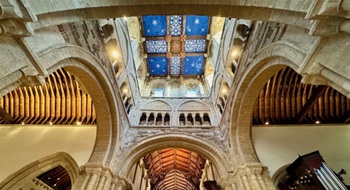
Dorset's first conservation campaigner?
Gov.uk - Hot-rolled steel plate

New anti-dumping measure imposed on South Korea.
ECA responds to the Milburn Report

Youth employment to be linked to workforce demand.
The construction industry urgently needs to attract new talent

CIOB responds to Neets report.
Grenfell Tower community update

Memorial columns to be retained as careful dismantling continues.
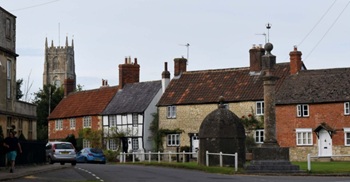
When buildings reflected the local resources available.

CIOB reports 57% are using artificial intelligence technologies.
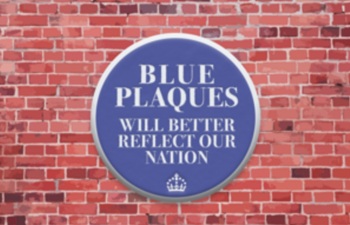
More of England’s ‘hidden heroes’ will be celebrated.

CIAT calls for retrofit to be a priority.